
Welcome to the arcade. Coca-Cola has recently embraced artificial intelligence to create holiday-themed advertisements. This move is both amusing and a little alarming. It is a far cry from their traditional, heartwarming campaigns. Known for their iconic “Holidays Are Coming” ads, these have become synonymous with the Christmas season. The brand’s decision to turn to AI for creating such a beloved series has sparked different reactions. The public has mixed feelings. People chuckle over AI’s quirky results. There are also concerns over the future of creative jobs. Coca-Cola’s AI experiment sheds light on the growing intersection of technology and traditional advertising.
The Humor in AI’s Take on Tradition
Coca-Cola’s historical reputation for producing emotionally resonant ads is well-known. Their culturally significant ads make their use of AI particularly striking. In some cases, it is outright funny. Many people notice the irony of a brand with such a rich advertising legacy. This brand has enlisted some of the best creative minds over the years. Yet, it now relies on a machine to craft holiday magic. The idea is almost laughable. Coca-Cola is known for its cheerful and heartwarming ads, like the ones featuring Santa Claus and the famous Coca-Cola trucks. This company is now using AI for creativity. It’s as if the very thing that made Coca-Cola’s holiday ads so special is being outsourced to a robot. The personal touch of human creativity is giving rise to some unintended humor.
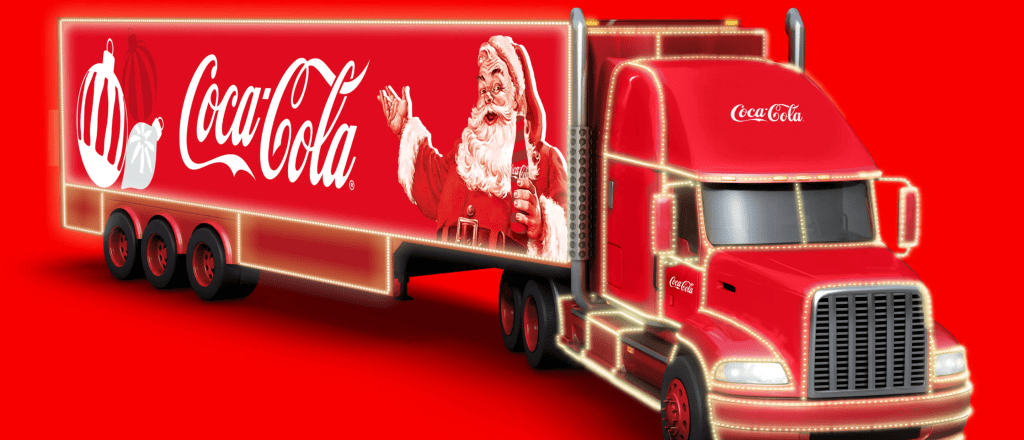
Even more amusing are the results of the AI-generated ads themselves. Artificial intelligence often struggles to capture the warmth and spirit of human actors. The results usually fall short. This shortcoming creates an odd “uncanny valley” effect. For those unfamiliar with the term, the uncanny valley refers to the eerie feeling we get when something human-like is almost, but not quite, real—like an AI trying to smile in a way that feels more creepy than comforting. On social media, users have had a field day commenting on these stiff, unnatural AI movements and the “soulless” expressions of the digital actors. Memes abound, mocking the lifeless smiles and the robot-like charm of the holiday characters, adding an unintentional layer of comedy to the campaign.

The Growing Concerns: The Loss of Jobs and Quality
While AI’s role in advertising might elicit laughter, there’s also a more serious side to this shift. The growing reliance on artificial intelligence to generate creative content raises concerns about the future of jobs in the creative industries. Artists, writers, actors, and directors have traditionally filled these roles. Now, they face the possibility of being replaced by algorithms. These algorithms can churn out content at a fraction of the cost. AI is seen as a tool for efficiency. It is also viewed as a way to lower costs. This potentially sidelines human talent in favor of a machine that can generate ad content quickly. It does so with little overhead.
Beyond job security, there’s also the question of the quality of content that AI can produce. AI excels at analyzing vast amounts of data. It can certainly replicate patterns from existing successful ads. However, it still struggles to capture the emotional depth and cultural context that human creatives bring to the table. For years, Coca-Cola has been known for ads that do more than sell a product. They tap into the heartstrings of audiences. These ads create memorable moments that feel genuine. AI might create content that fits a mold. Yet, it lacks the nuance and understanding to craft narratives that resonate deeply with people. Without that human touch, advertising risks becoming more formulaic. It may be optimized for metrics like engagement. Yet, it remains devoid of the rich storytelling that has made brands like Coca-Cola stand out.
Will AI Dominate the Future of Advertising?
As technology continues to advance, the trend of using AI in advertising is likely to become even more widespread. We may soon reach a point where AI is the primary driver of advertising campaigns. It will no longer be just a supporting tool for content creation. AI can analyze consumer data. It can also predict trends and generate personalized content. This potential could make it the go to solution for brands looking to optimize their campaigns. This may sound like a futuristic dream for many companies. It also raises the possibility that machines will produce most ads instead of human creatives.

Such a shift could lead to a more homogeneous future in advertising. There would be less room for unique, culturally rich campaigns. These campaigns have made some of the most iconic ads in history so memorable. Instead of the personalized and emotionally resonant campaigns that Coca-Cola is known for, ads focus more on algorithmic effectiveness. They prioritize this over fostering real human connections.
The Irony and Cautionary Tale

Coca-Cola’s move to embrace AI in their advertising is a humorous commentary on the state of technology. It also serves as a cautionary tale for the future of creative work. The company’s decision to use AI is significant. This decision comes despite its long history of crafting emotionally powerful and culturally significant ads. It highlights the broader tension between innovation and tradition. This moment underscores a critical moment in advertising. The creative spark that has historically defined the industry is at risk. It may be overtaken by data-driven decision-making and automated content generation.
There’s undoubtedly humor in seeing a brand like Coca-Cola rely on AI for creative direction. This is interesting because of its heritage and prestige. It’s also a reminder of the real-world consequences this shift might have. If companies like Coca-Cola, known for their emotional storytelling, start prioritizing AI-driven efficiency, the advertising industry could lose something irreplaceable. Their emphasis on human creativity might be diminished.
Conclusion: Striking a Balance
The rise of AI in advertising highlights the need for a balance between innovation and human creativity, as AI should complement rather than replace the emotional intelligence and cultural nuance essential in storytelling. While examples like Coca-Cola’s holiday ads illustrate this trend, the critical question is whether AI can genuinely embody a brand’s essence or if it will only produce mediocre content lacking the magic that defines effective advertising.

As we look to the future, one thing is clear: AI has a role in advertising. However, it’s up to us to ensure that human creativity remains at the heart of storytelling.
 Aizen Arcade
Leave a comment