
Welcome to the arcade. IGN is the biggest and most well gaming source when it comes to reviews. Reviews shape a game’s success in the industry. The relationship between critics, players, and publishers is complex. It is often far more intricate than it seems on the surface. Sometimes, it feels like reviews are disconnected from the actual quality of the games themselves. A prime example of this is the contrasting review scores for Mario & Luigi: Brothership, Dragon Age: Veilguard, and Concord. When you dig deeper into how these games were rated, it’s clear that something isn’t quite right. Sometimes, money or influence can unduly affect the way games are rated. This results in unfair treatment for certain titles. It creates misleading expectations for players.
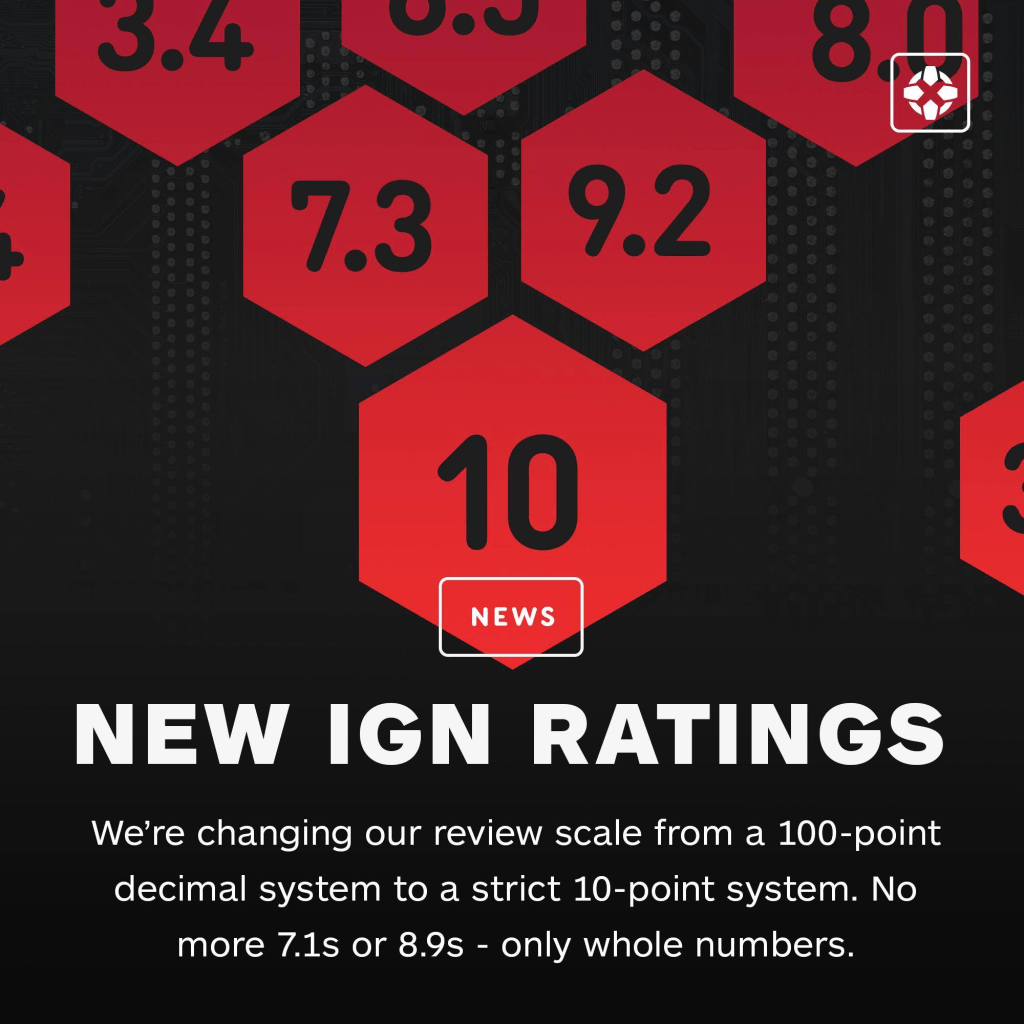
Let’s take a closer look at how these three games were handled by the review system. Mario & Luigi: Brothership did not deserve the 5/10 it received. Other games like Dragon Age: Veilguard received better reviews. Concord was also reviewed favorably despite not meeting expectations.
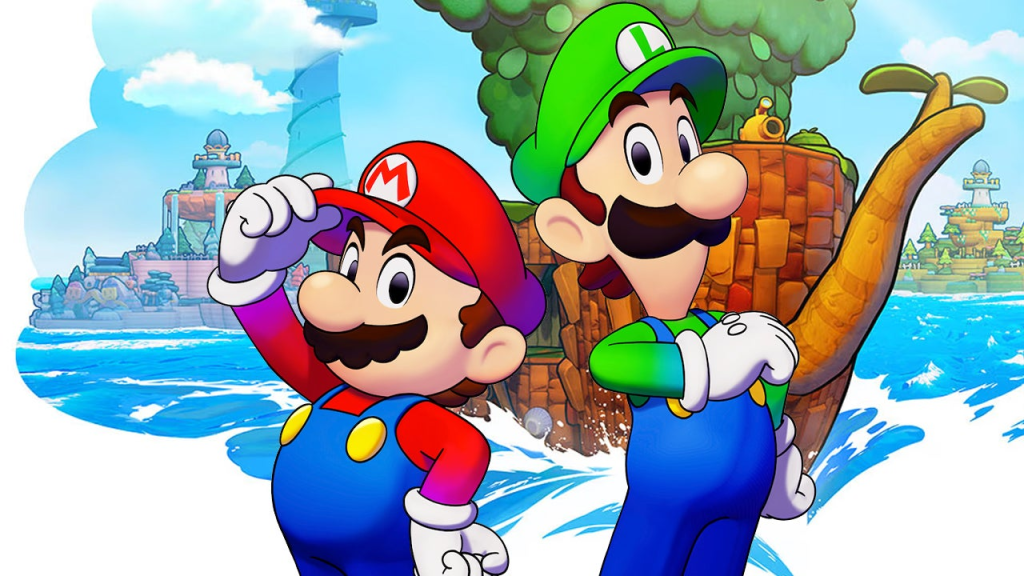
Mario & Luigi: Brothership – A Franchise’s Legacy Undermined
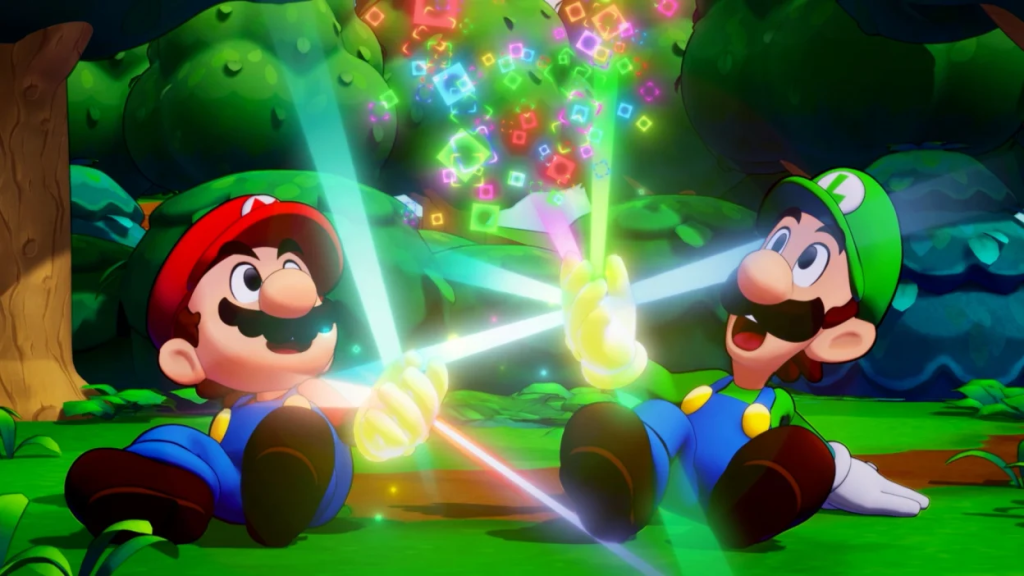
The Mario & Luigi series has long been beloved for its humor, inventive RPG mechanics, and memorable characters. Fans expect a certain level of quality from every release. When Mario & Luigi: Brothership was announced, expectations were high. Fans hoped it would continue the franchise’s legacy by offering fresh mechanics. They anticipated great writing and fun, engaging battles.
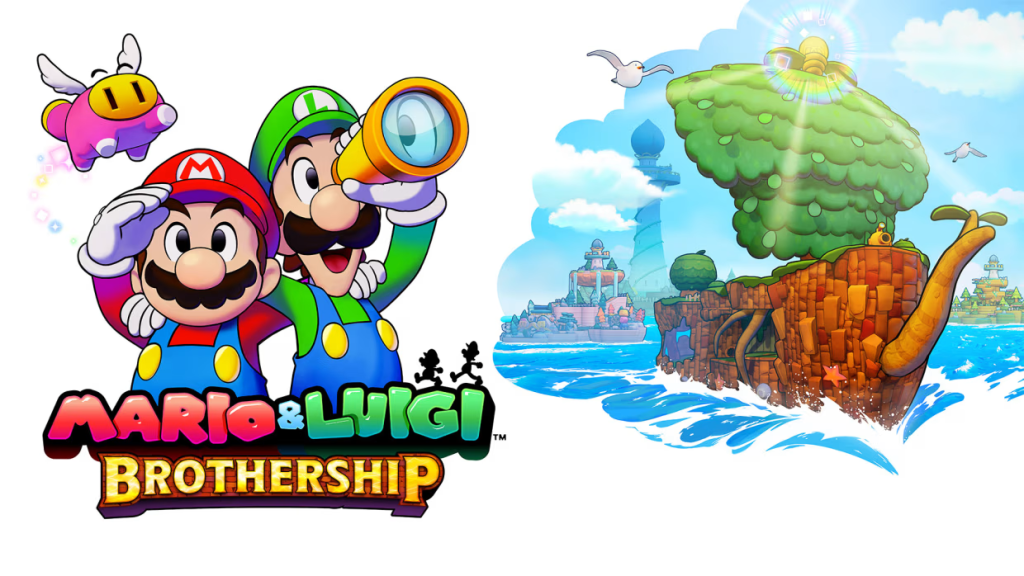
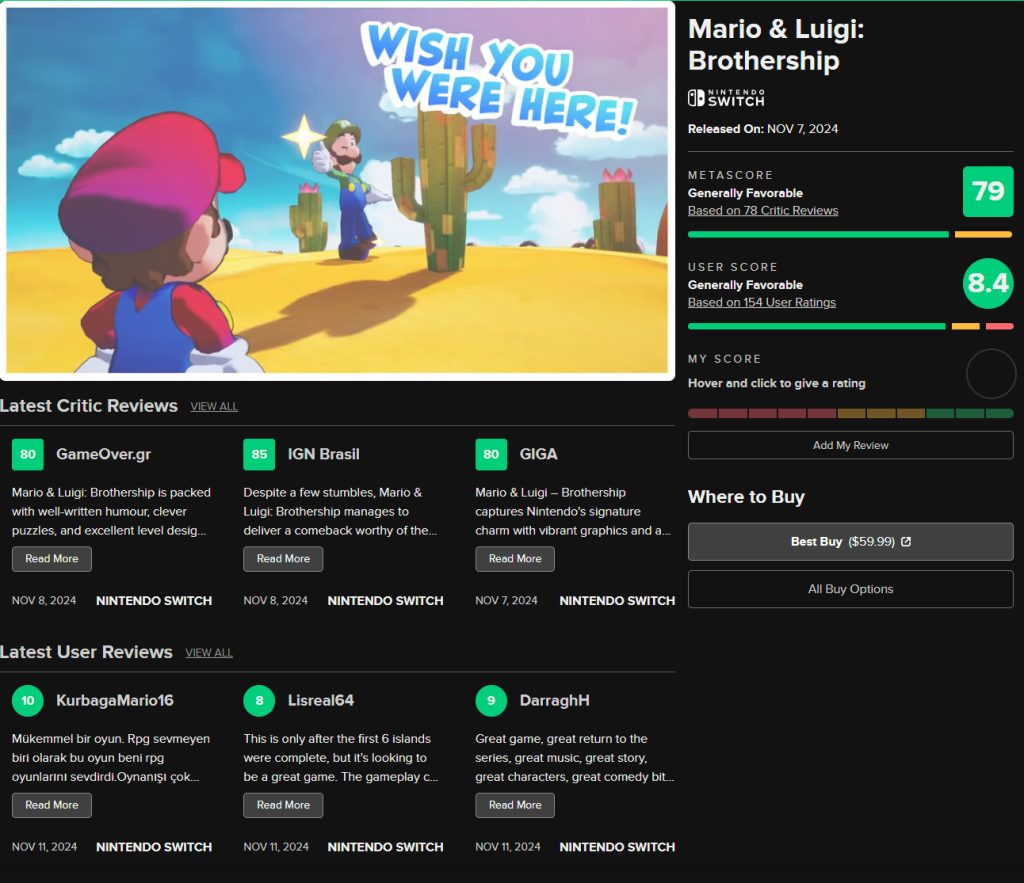
The game received a relatively low score of 5/10 from IGN. This score signaled a lack of polish and excitement. The review cited repetitive gameplay and underwhelming mechanics as its major flaws. However, in comparison to other games that received higher scores for similar issues, Brothership’s low rating feels unjustified. The criticism of being “boring” or “lackluster” could have been applied to other recent releases. For some reason, the Mario & Luigi game seemed to get harsher treatment. Unlike Metacritic, where everyone gets a say, it was judged to be a great game by critics and users. Meanwhile, Veilguard and Concord can barely hit any potential sales after so much praise and a high score from IGN. Why is that?
In reality, Brothership wasn’t perfect, but it still had merit. Its charming art style, comedic tone, and the familiar, endearing interactions between Mario and Luigi could have warranted a more balanced review. And yet, it was given the short end of the stick. Was this a case of misjudgment? Or something more?
Dragon Age: Veilguard – A Critical Darling with a Dwindling Player Base
On the other hand, Dragon Age: Veilguard received an incredibly high score of 9/10. Critics lavished praise upon its writing. They also admired its world-building and combat mechanics. But when you look beyond the review score and examine the game’s actual performance, it paints a very different picture. The game received a glowing review. However, it failed to capture a substantial player base. Its peak concurrent player count barely reached over 2,600 players.
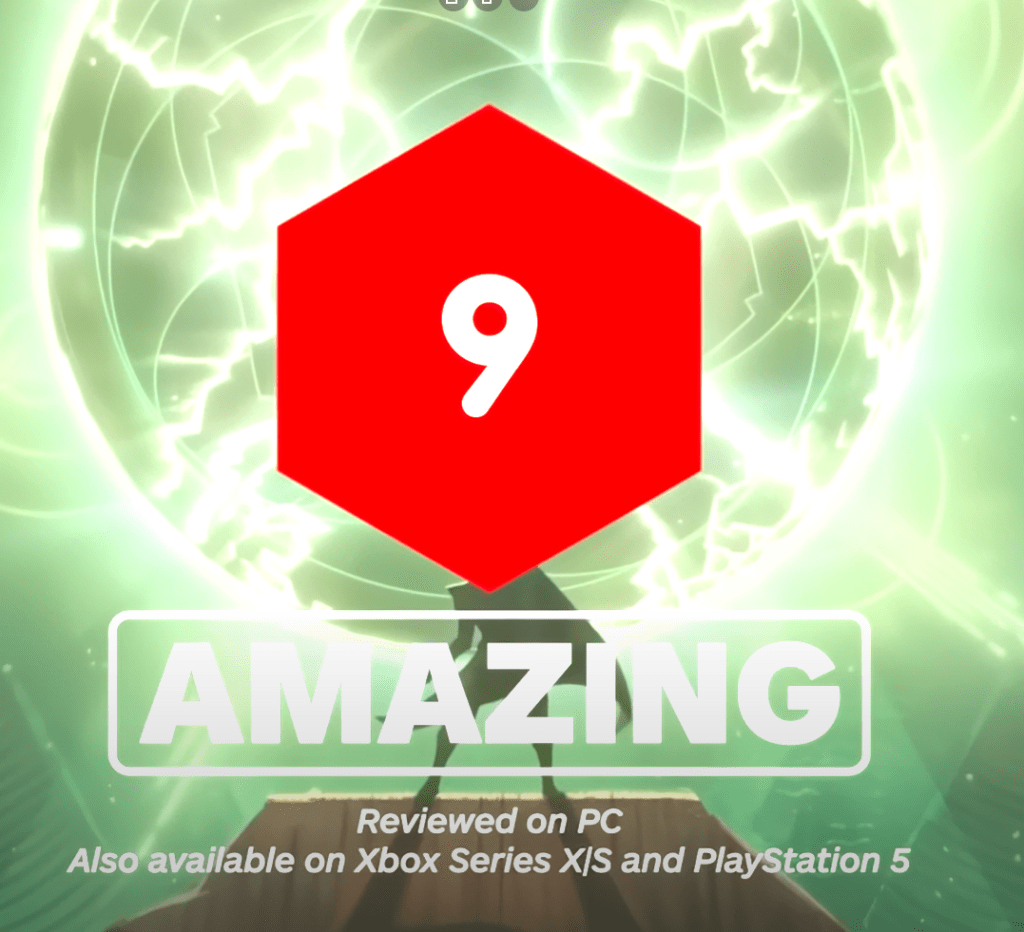
This discrepancy is incredibly telling. How can a game with such a low player count, which struggled to maintain interest, still receive a 9/10 score? The game had issues that weren’t instantly apparent during review. These included poor server stability, balancing issues, and repetitive content that players quickly grew tired of. Was the critical praise so disconnected from player experience? Was the review score inflated to please the publisher? Or was it to promote the game?
Do publishers use their considerable influence to soften the impact of negative reception? Can they also secure higher review scores? After all, Dragon Age is a major franchise, and such a high review score undoubtedly helped in maintaining its image. Unfortunately, the disconnect between the review score and the player base is evident. This suggests that the game wasn’t as well-received as the critics led us to believe.
Concord – A Game with a Potential PVE, but Ultimately a Miss PVP
Concord is another game that received a 7/10 rating, which is usually considered “good,” but the reality is much harsher. The game’s servers shut down just a week after launch, signaling that it simply couldn’t hold players’ attention. Despite a promising premise, Concord failed to deliver, leaving players disappointed and abandoning the game.
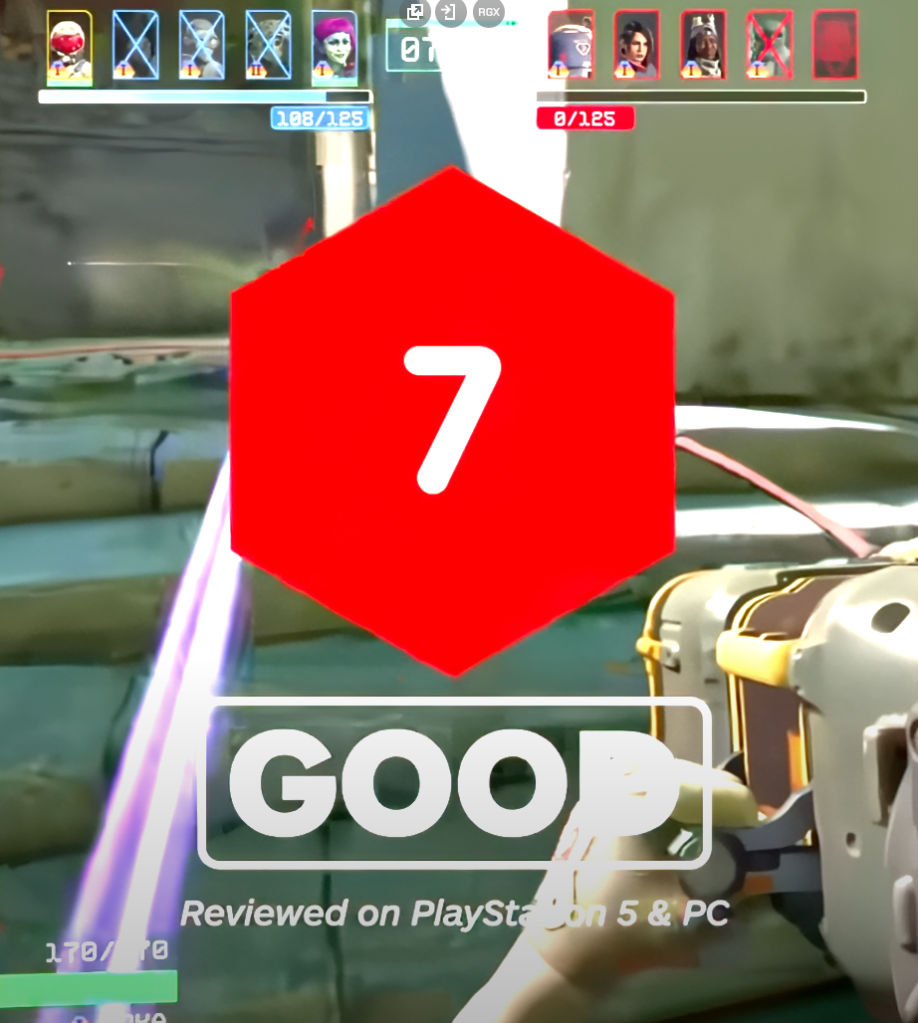
A 7/10 rating for Concord seems like a slap in the face to players who were expecting more. This is especially true considering how quickly the game faded into obscurity. Was this score too generous? Was it meant to prevent negative press for a game that had a lot of backing behind it? Or was it another case of a reviewer getting paid to soften the reality of a title that was ultimately a failure?
How Money Influences Reviews and Why It Matters
This is where the question of under the table deals comes into play. While most reviewers and gaming outlets maintain a strong ethical standard, it’s not hard to see how the system can be manipulated. Publishers and developers have substantial financial power. In some cases, they might use their power to influence reviews.
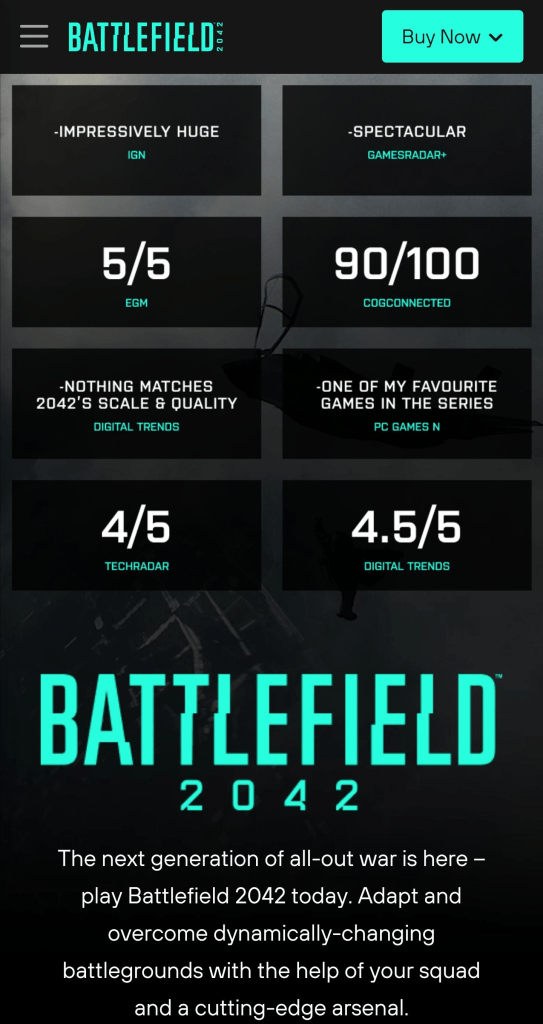
Let’s be clear: review scores are often a mix of subjective opinion and analysis, but they can be swayed by corporate interests. A high review score can lead to more sales, more hype, and more attention. A low score can be devastating, especially for smaller studios or niche titles that rely heavily on positive press. As a result, publishers may offer incentives, perks, or even direct financial support to review outlets in exchange for more favorable scores.
There’s no shortage of reports that suggest such practices exist in other industries, and gaming is no exception. When you see a major franchise like Dragon Age or Concord get glowing reviews despite widespread player dissatisfaction, it raises the question: Were the reviews influenced by the weight of the publisher’s influence?
For smaller or more niche games, like Mario & Luigi: Brothership, the lack of corporate backing or the absence of major publisher funds can lead to an entirely different kind of treatment. A game that has more critical flaws or feels more “safe” may be rated more harshly. A smaller title is often held to a higher standard and punished when it doesn’t live up to expectations, regardless of its inherent charm or fun.
The Need for More Honest and Transparent Reviews
The discrepancies between the scores for Mario & Luigi: Brothership, Dragon Age: Veilguard, and Concord suggest a bigger issue at play. This issue indicates that money, influence, and industry connections may be more important than the actual player experience. It’s important for reviewers to be objective and honest about their experiences with a game. And it’s equally important for players to trust their own instincts over review scores when deciding what to play.
In the end, gaming reviews should be about honesty and fairness. It’s unfortunate that the true quality of a game is sometimes hidden by industry politics. Money and the desire for positive press also play a part. We need to encourage a review culture that prioritizes integrity. This culture should recognize games for their true nature. It should not focus on how much they can be financially manipulated or marketed.
Conclusion
Mario & Luigi: Brothership deserved better than a 5/10, and Dragon Age: Veilguard and Concord didn’t deserve their high marks. When external factors influence the review system, developers and players are both let down. Developers work hard to create their games. Players trust those reviews. It’s time to question the system and demand more transparency, honesty, and accountability from critics and publishers alike.
 Aizen Arcade
Leave a comment