
Welcome to the Arcade. In the vibrant world of video gaming, where genres span from fast-paced shooters to intricate RPGs, two titles have recently captured the attention of gamers and critics alike: “Marvel Rivals” and “Path of Exile 2.” Both games, despite their distinct genres, have managed to carve out their own niche of success through innovative gameplay, engaging community interactions, and smart monetization strategies. Let’s delve into why these games are being hailed as some of the most anticipated and celebrated titles in their respective categories.
Gameplay and Character Design: A Dual Perspective
Marvel Rivals steps into the arena with its fast-paced tactical gameplay, offering a fresh take on team-based PvP shooters. The game’s diverse roster of Marvel characters is not just a visual treat but a gameplay innovation, with each character possessing unique abilities that encourage strategic team-ups. This approach not only appeals to fans of the superhero genre but also to those who enjoy tactical depth in their shooters.

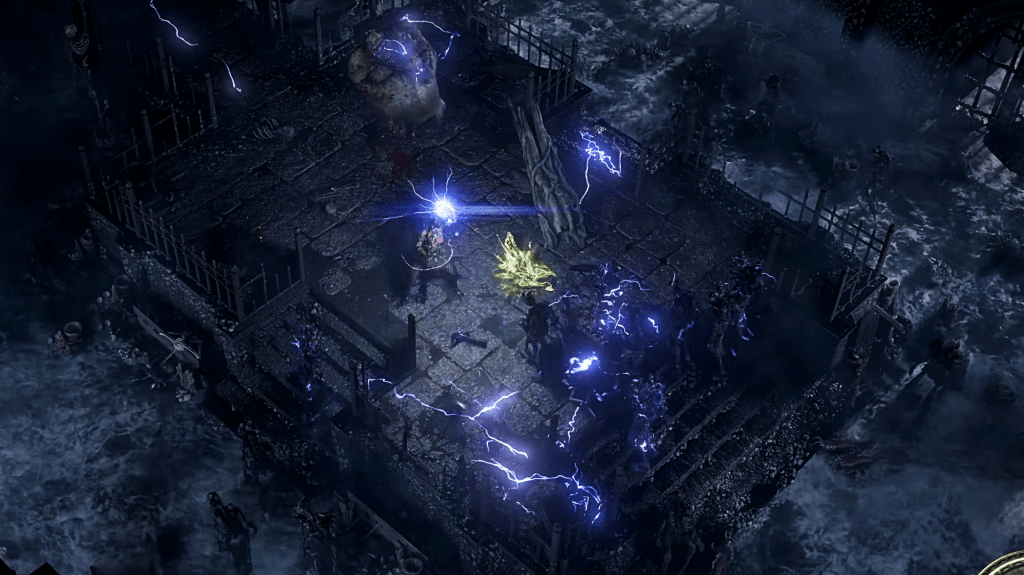
On the other hand, Path of Exile 2 focuses on deep, complex gameplay mechanics that are the hallmark of its genre. By introducing new classes, skills, and a revamped campaign, it builds upon its predecessor’s success, offering players a rich, immersive experience. The game’s design encourages long-term engagement through its character progression and skill customization, appealing to players who thrive on strategic depth and narrative richness.
Visuals and Art Style: Captivating the Audience
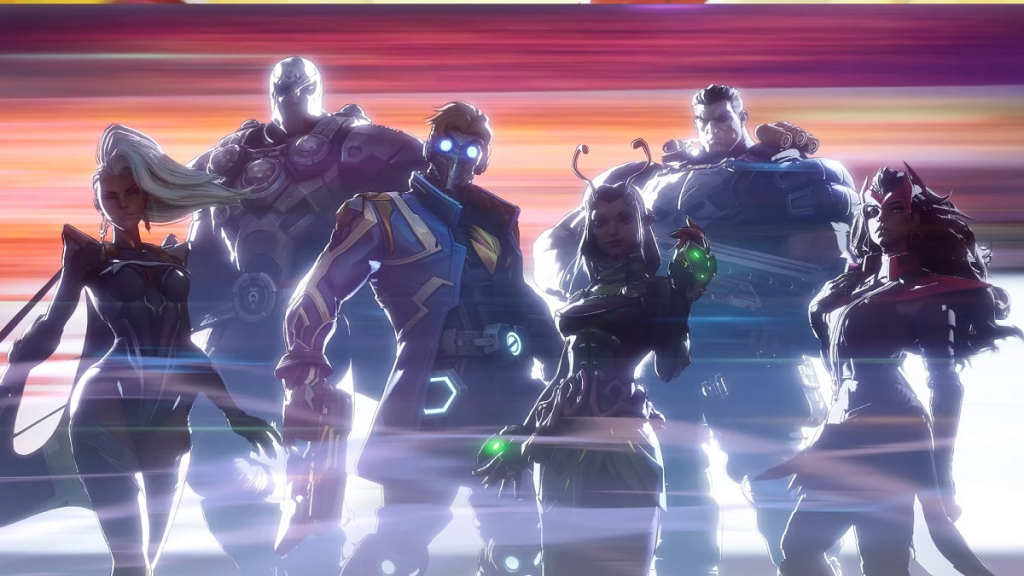
Marvel Rivals has been lauded for its visuals and art style, which not only do justice to the Marvel universe but also enhance the gameplay experience with high-quality character designs. This attention to detail has been pivotal in drawing players into the game’s world, making each character’s action feel like a page out of a comic book.
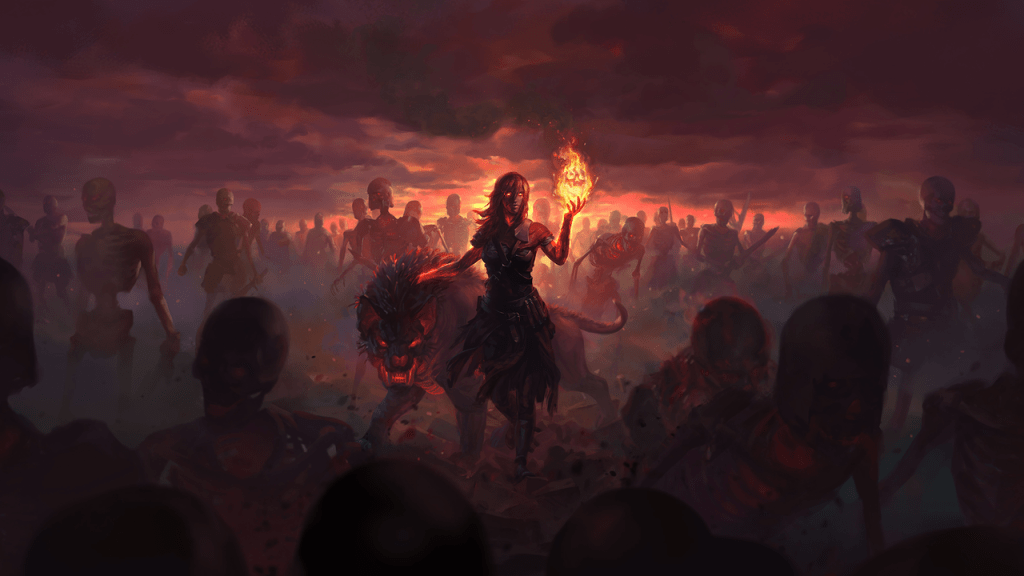
Path of Exile 2 might not share the same vibrant palette, but its art style is equally compelling, with a darker, more atmospheric approach that aligns with its genre. The game’s visual evolution has been noted for maintaining the series’ grim aesthetic while improving graphical fidelity, which adds to the immersion in its world of dark fantasy.
Monetization and Content: Player-Friendly Approaches
Marvel Rivals introduces a monetization model that’s been well received, featuring a $5 battle pass and free characters, setting it apart in a market often criticized for aggressive monetization. This model, combined with crossplay capabilities, enhances its appeal by making the game accessible and inclusive across different gaming platforms.
Path of Exile 2 continues its tradition of free-to-play with optional purchases, a model that has long been praised in the ARPG community for allowing full game access without spending. This approach not only democratizes gaming but also builds a loyal player base through perceived fairness and value.
Community Engagement and Launch Success: Building Anticipation
Marvel Rivals enjoyed a phenomenal launch, highlighted by over 440,000 concurrent players on Steam. This success speaks volumes about the game’s immediate impact and the positive reception it received, establishing it as a contender in the competitive shooter space.
Anticipation Building: Path of Exile 2’s community engagement has been robust, with the developer, Grinding Gear Games, actively communicating with players through various platforms, including X posts. They’ve managed expectations well by warning of potential server issues due to high player volume, which indicates a strong anticipation from the community. The game’s significant pre-launch engagement includes detailed information on launch times, pre-downloads, and special promotions like Twitch Drops, enhancing community interaction and excitement.

Launch Challenges: Despite the well managed expectations, the launch of Path of Exile 2 into Early Access has faced its share of technical hiccups. Server queues and backend issues have been reported, reflecting the overwhelming interest in the game. These issues are not uncommon for highly anticipated game launches but show the scale of player engagement and the game’s popularity. The community’s reaction has been a mix of patience and anticipation, with some players expressing frustration over delays but overall maintaining a positive outlook given the game’s reputation and the developers’ responsiveness.
Engagement Beyond Launch: The engagement doesn’t stop at launch; it’s a continuous process. Developers have hinted at extensive content plans, including a significant campaign with multiple acts, indicating a long-term commitment to keeping the community engaged. The introduction of features like new player onboarding, the return of the Mirror of Kalandra, and the flexibility in skill tree options are designed to keep both new and returning players interested and invested in the game.

Community Feedback and Developer Response: Grinding Gear Games has been proactive in addressing the community’s concerns. They’ve provided regular updates through their X account about server statuses, fixes for login issues, and database upgrades to accommodate more players. This transparent communication helps in maintaining trust and engagement among players, even when facing technical setbacks. The community’s feedback, especially from X posts, has been instrumental in shaping the developers’ approach to managing the launch, fixing issues, and planning for future content.
 Aizen Arcade
Leave a comment