
The gaming world was initially hyped to see when MultiVersus burst onto the scene. It promised a unique blend of beloved characters from across the Warner Bros. universe in a thrilling platform fighter. As we reflect on its journey, the announcement of its shutdown feels less like a surprise. It seems more like the end of a chapter we all saw coming. Let’s delve into why this outcome, while disappointing, isn’t entirely shocking.
Declining Player Interest
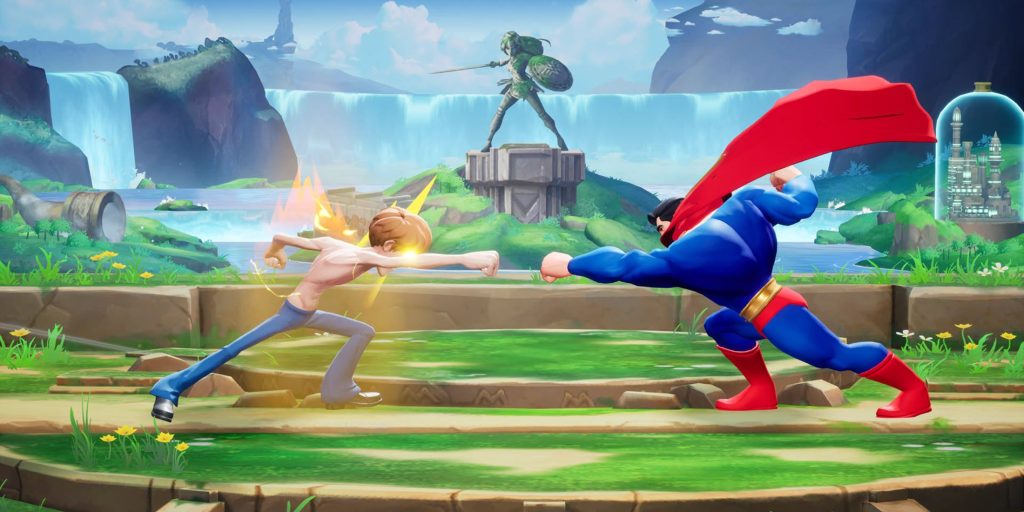
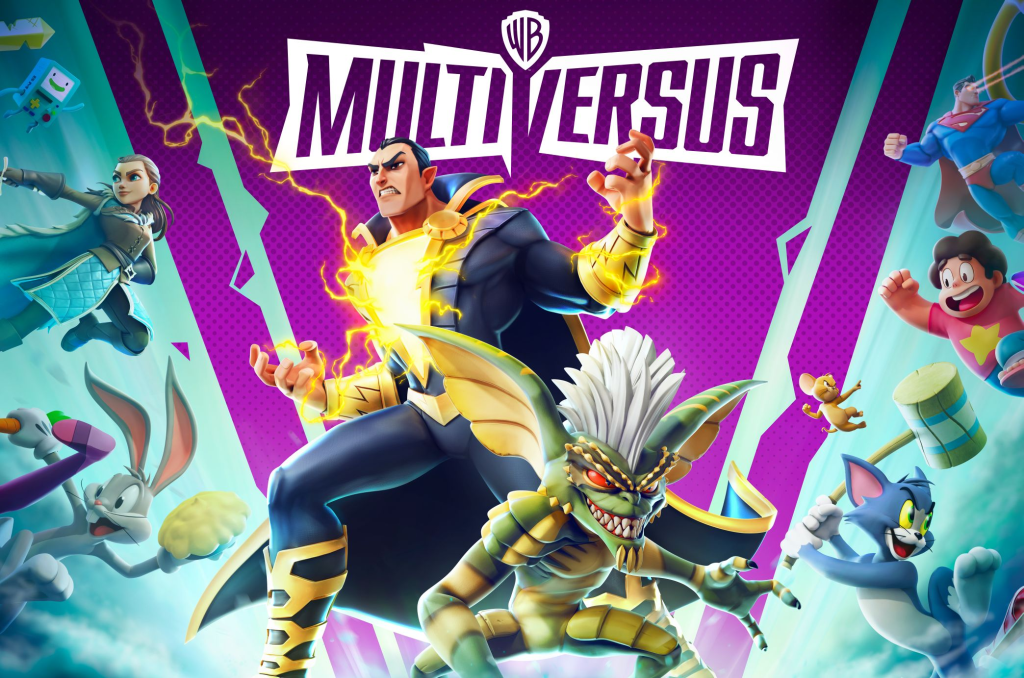
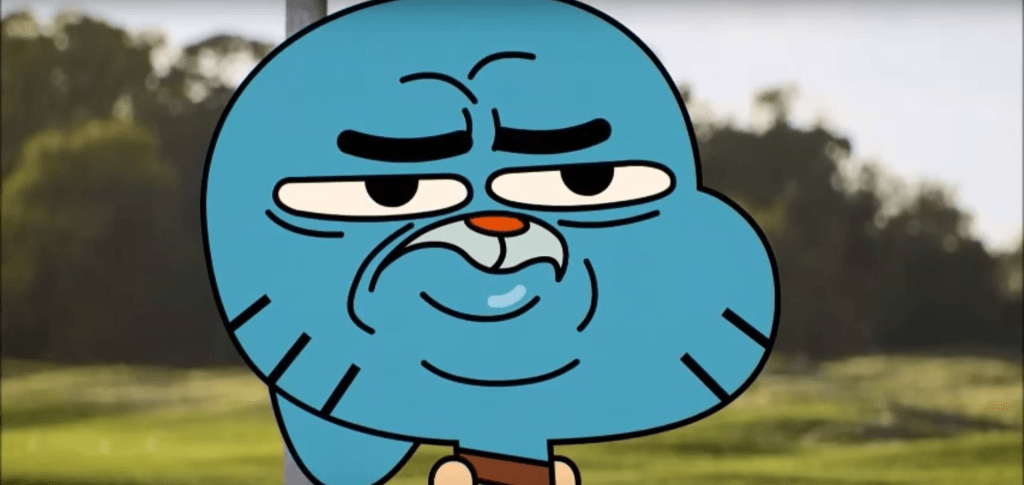
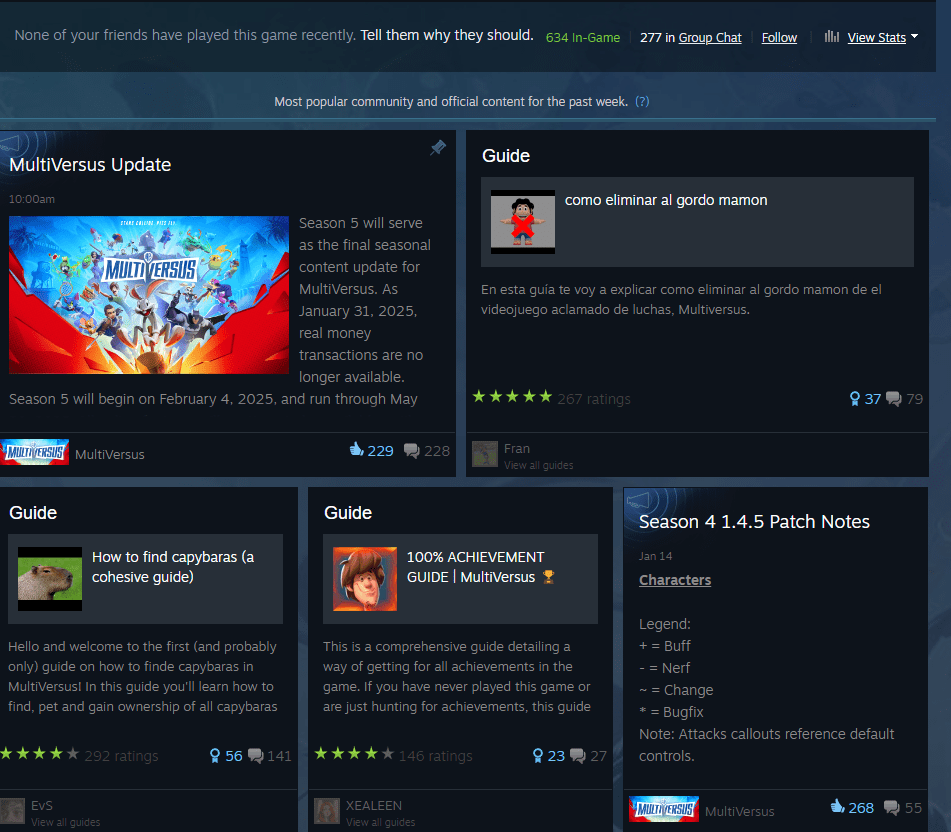
Initially, MultiVersus had all the makings of a hit. With characters like Bugs Bunny and Batman, it captured the attention of gamers worldwide. However, the novelty of seeing iconic figures clash in combat couldn’t sustain interest indefinitely. The game saw a sharp decline in player numbers, a trend visible on platforms like Steam and Twitch. The absence of compelling updates showed where things were headed. The addition of characters like the Gremlins, Arya Stark, and Black Adam puzzled players. Arya Stark had an underwhelming ending, just like the rest of the characters and plot in Game of Thrones. Fans expected someone like Samurai Jack instead for a swordsman. Black Adam’s disappointing film release left players unenthusiastic. Instead of these choices, players wanted favorites like Samurai Jack earlier. They also wanted characters like Tychus from Warhammer 40k, Goku, Johnny Bravo, Mordecai and Rigby, Gumball Watterson, Kim Possible, Edd ed and Eddy, and Scorpion. Fans adore favorites like these. They are known and loved worldwide than the devs picking what they think is a good idea. Such characters I listed can garner a huge fan base that keeps returning. This is exactly what Marvel Rivals is achieving with the Fantastic Mother trucking 4 currently. It’s not hard to understand this. Regardless, it was too late. The introduction of the Gremlins and Adam, along with other poor choices, failed to win the fans back. There wasn’t new content to keep the player base engaged.
Gameplay and Content Challenges
From the outset, MultiVersus struggled with balancing issues. The meta-game evolved with updates that didn’t always sit well with the community, leading to dissatisfaction. Matchmaking, progression systems, and the overall mechanics were often points of contention. The game’s attempt to introduce new characters and modes didn’t always resonate, leaving players feeling the experience was stagnating rather than evolving.
Monetization and Player Retention
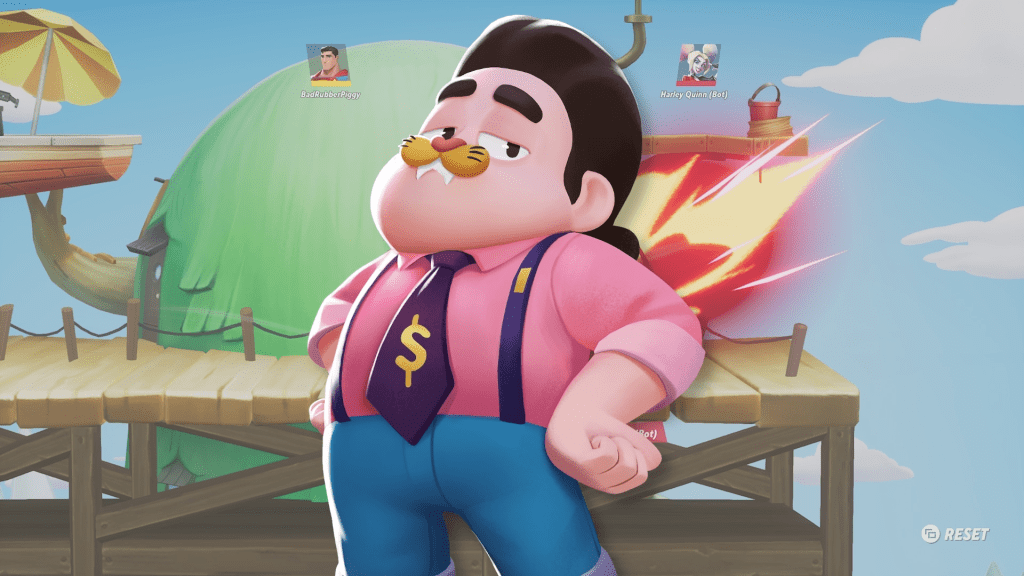
The game’s business model, heavily reliant on microtransactions and a battle pass system, was another nail in the coffin. Players felt the grind was excessive, especially for a game that was later announced to shut down indefinitely. This monetization strategy likely contributed to the alienation of parts of its community, particularly those who had invested time or money into the game.
A History of Challenges
MultiVersus had already gone through one major shutdown in 2023 for an overhaul, which was supposed to rejuvenate the game. However, upon its return, the same issues persisted, suggesting deeper systemic problems. This cycle of shutdowns and relaunches didn’t bode well for the game’s long-term prospects. The final shutdown seemed more like a culmination than a shock.
Financial Realities
Warner Bros. Discovery didn’t shy away from highlighting MultiVersus as a financial disappointment. Public financial disclosures revealed the game was not meeting expectations, leading to significant losses. In the harsh light of business, pulling the plug on a project that wasn’t paying off was a strategic move, albeit a sad one for fans.
Community Response
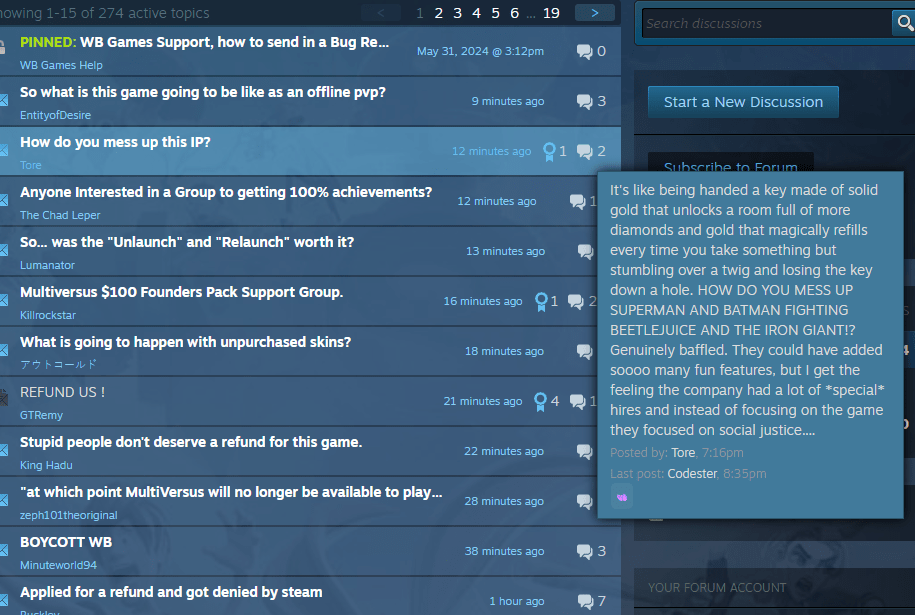
The gaming community’s reaction to the news was a mix of disappointment and a resigned acknowledgment. Discussions on platforms like Twitter were filled with sentiments that the writing was on the wall. Fans mourned the game’s potential but also recognized the signs that had been there all along.
Rest in Piece Once Again Old Friend
The shutdown of MultiVersus serves as a case study in the challenges of maintaining a live-service game. It highlights the importance of continuous engagement, fair monetization, and responsive development. Its closure marks the end of an era for fans of this unique fighter. It also teaches us about the fleeting nature of success in the gaming industry. Here’s to hoping the lessons learned will inform future endeavors in the ever-evolving world of video games.
 Aizen Arcade
Leave a comment