
Art Style and Tone
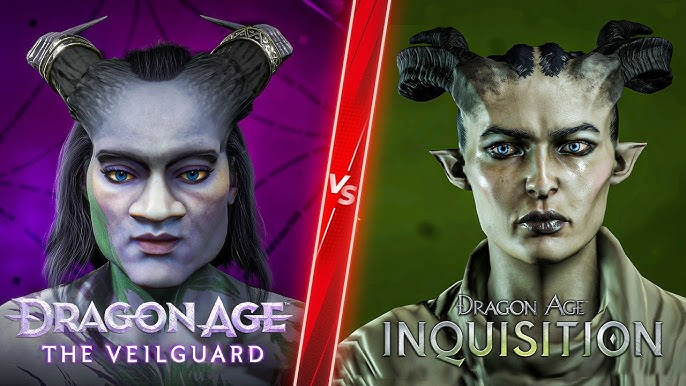
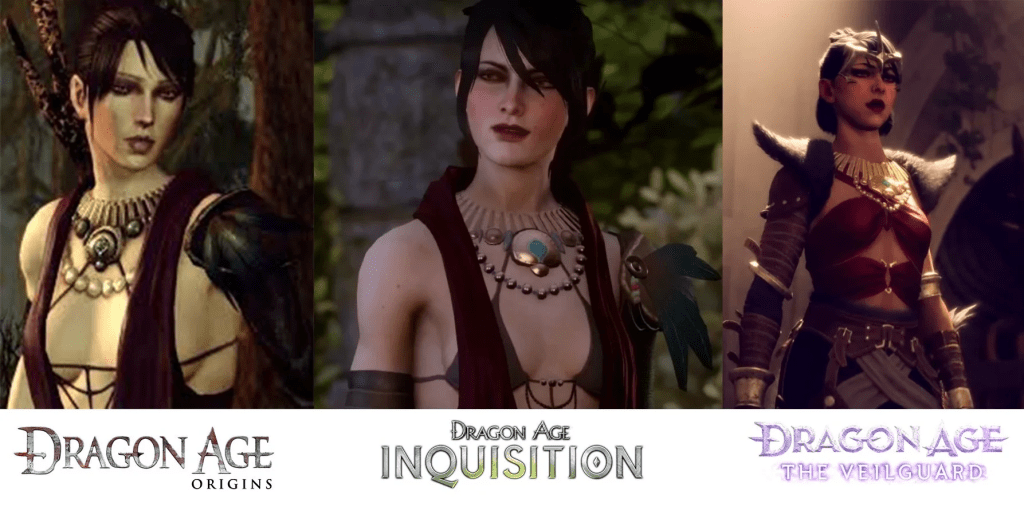
Welcome to the arcade. There’s ongoing debate about the game’s art direction. Some fans like the new cartoonish style, believing it pairs well with darker themes, similar to films like Pan’s Labyrinth. However, many others do not accept this change, feeling it moves away from the franchise’s traditional dark and realistic look.

Inclusivity and Representation
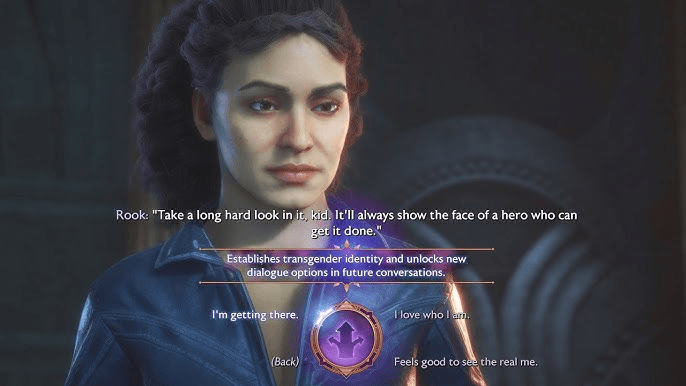
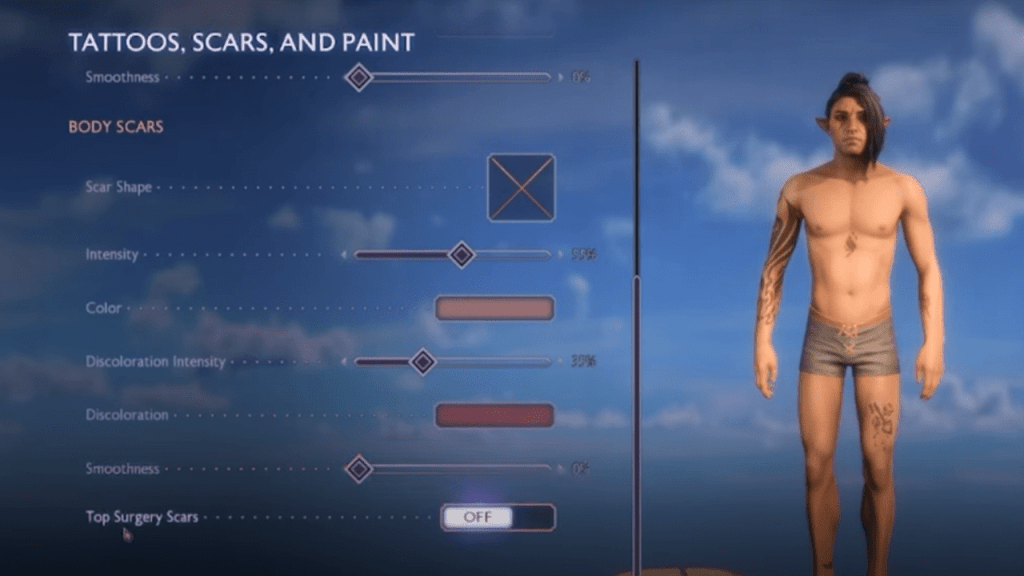
The game’s approach to inclusivity has been highly controversial. This is particularly true with character customization options like top surgery scars. Some praise BioWare for expanding representation and supporting diversity. Fans of the series heavily criticize it as pandering or unnecessary. They argue it detracts from the game’s immersion or traditional fantasy setting. This has ignited discussions on the role of politics in video games. Many players feel these elements are forced. They believe this affects their enjoyment or immersion.
Narrative and Decision Carryover
BioWare decided to limit the carryover of player choices from previous games. They restricted it to just three significant decisions in Veilguard. This decision has caused a rift. Fans who’ve invested time in the series feel this undermines the continuity. They believe it affects the depth of player impact established over multiple games. Critics see this change as a way to make the game more accessible for new players. However, it might compromise long-term fan engagement.
Gameplay and Reception
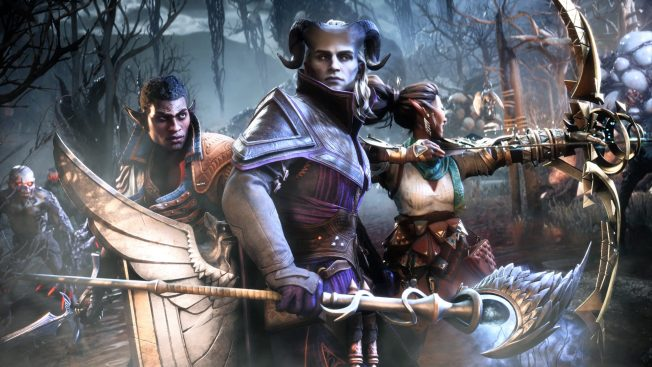
The move to more straightforward storytelling or specific gameplay mechanics is similar to Mass Effect/Hogwarts Legacy. This change has left some fans worried. They fear that Veilguard won’t offer the same depth or freedom they expect from Dragon Age. Many discussions mention a decrease in writing quality. They also focus on more “preachy” narratives, which some players feel interrupts the escape that fantasy games give.

Community and Cultural Impact
The game has ignited significant cultural debates within the gaming community and beyond. Certain players and critics believe it leans too heavily into being woke. This perception has resulted in a divide. Discussions surrounding the game’s qualities and gameplay often take a backseat to the controversies. This situation affects its overall review scores and the way it is perceived by the community at large.
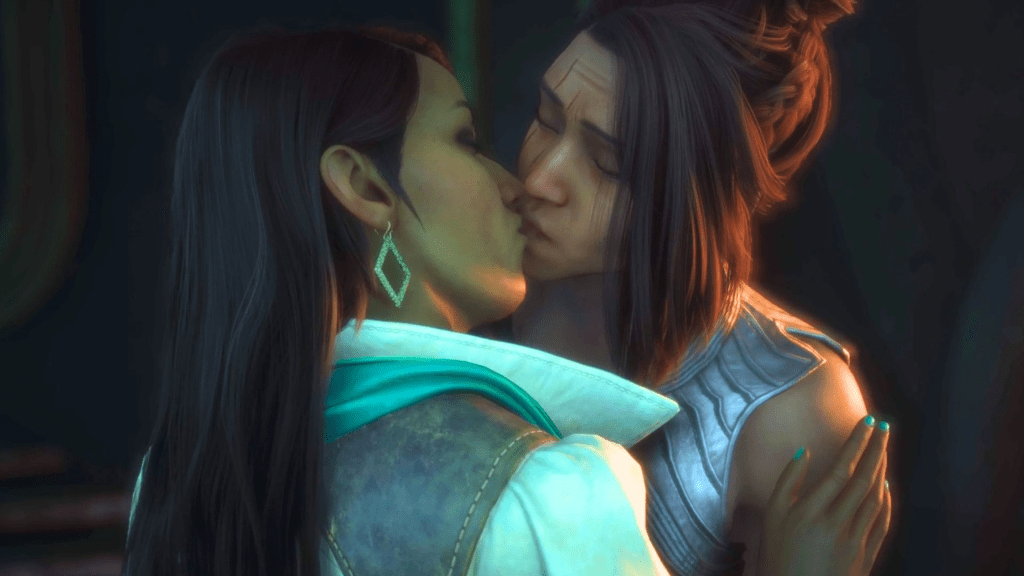
On the other hand, reviewers such as Ign gave it a 9/10 for the game’s approach. They emphasize that inclusivity and representation are vital elements of contemporary storytelling. They argue that the game’s efforts to reflect real-world diversity should be viewed positively. These efforts should also be acknowledged as a necessary progression in the medium. This group supports the idea that art, including video games, should evolve. It should represent a broader spectrum of experiences and identities. This evolution ultimately enriches the narratives and makes them more relatable to a diverse audience.
The Controversy
Concerns have arisen regarding review practices. Some suggest that positive reviews may be swayed by a desire to prevent backlash. There is a priority on inclusivity over gameplay and story quality. These points prompt debates on review integrity and the separation of games from their political or social messages.

These points illustrate a divide not just over Dragon Age: The Veilguard itself. They also reflect a divide over the role of video games in reflecting or challenging societal norms. There is a debate about the balance between tradition and innovation in game development. Additionally, there is the question of how player choices should influence game worlds. The game’s release has been a moment for fans to engage with a new entry in a beloved series. It has also sparked a broader conversation about the direction of narrative-focused RPGs. Moreover, it has influenced the gaming industry’s approach to representation and player engagement.

 Aizen Arcade
Leave a comment