
As I settled into my VR headset mainly on steam, excitement coursed through me. The promise of immersive worlds had always captivated my imagination. Yet, as I explored the landscape of VR games, It shakes the feeling that something was fundamentally off. The thrill of virtual reality seemed to be shackled by a growing exclusivity dilemma. This dilemma threatens to stifle the innovation and diversity that made VR so enticing.
The Console Lockdown
Let’s start with the giants of the industry: PlayStation and Oculus. Both have established strong footholds in the VR space. They achieved this by creating a fortress around their exclusive titles. For instance, while Oculus boasts experiences like Lone Echo, PlayStation has its own gems like Blood & Truth. But what about the players who want to experience them all? This exclusivity feels like a modern-day console war, but in the realm of virtual reality, the stakes are even higher.

The result? Gamers find themselves trapped in ecosystems, forced to choose sides instead of enjoying a rich tapestry of VR experiences. The lack of diverse offerings results in some players enjoying exclusive titles. Meanwhile, others watch from the sidelines, wondering what they’re missing.
Steam: The Forgotten Platform
And then there’s Steam, the king of digital distribution. With its extensive library of games, it seems like the perfect place for VR to flourish. Yet, when it comes to virtual reality, Steam faces significant hurdles. Developers often cite a lack of support and resources as barriers to creating engaging VR content. Unlike consoles with streamlined paths for game development, Steam’s ecosystem can feel overwhelming. This leads many creators to shy away from VR projects altogether.
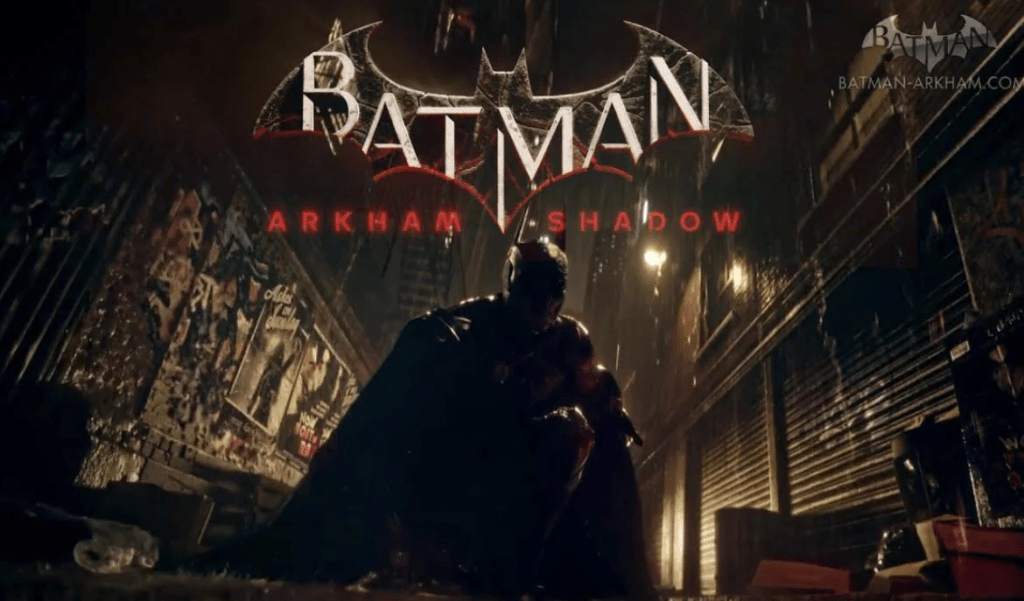
The contrast between consoles and Steam highlights a worrying trend. Console gamers have a rich array of titles tailored specifically for their systems. In contrast, Steam users often find themselves with limited options. This disparity not only frustrates players but also hampers the growth of the VR market.
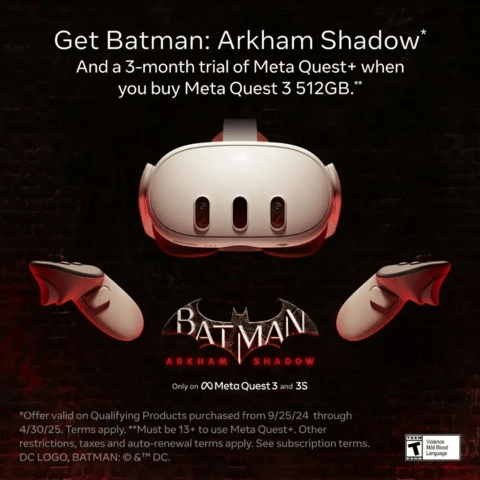
The Ripple Effect
The consequences of this limited landscape are far-reaching and multifaceted. Gamers may feel increasingly discouraged from investing in VR. They are wary of locking themselves into a single platform. This platform offers a narrow variety of experiences that hardly evolve over time. This stagnation stifles innovation. VR remains in the shadows of mainstream gaming. It can’t carve out a space for itself.

Potential users observe the industry’s struggles. They become apprehensive about making a commitment. This apprehension perpetuates a cycle of limited interest and investment. High costs and limited offerings create hurdles. This environment keeps VR from becoming a household staple. As a result, the technology risks fading into obscurity. More dynamic gaming alternatives capture the market’s attention.
The Bigger Picture
Of course, it’s essential to recognize that exclusivity isn’t the only hurdle facing the VR industry. Hardware limitations hinder its growth. High entry costs are also an obstacle. A lack of widespread understanding about VR’s capabilities plays a significant role too. Furthermore, these issues are interconnected. For instance, the high cost of cutting-edge VR hardware can prevent a broader audience from experiencing the medium. This results in fewer developers willing to invest time and resources into creating diverse content.
There is an ongoing need for education and awareness around VR technology. This need poses challenges. Many potential users are unaware of how it can enhance their entertainment, educational, or even professional experiences. Nevertheless, the exclusivity of titles is a glaring issue. It needs urgent attention because it not only restricts access for gamers but also limits the potential market for developers. Developers are looking to engage with a larger community.
A Path Forward
So, what can be done? First and foremost, the industry must embrace cross-platform support. Imagine a world where gamers can enjoy their favorite titles, regardless of the headset they own. By fostering a more inclusive environment, we can unlock the full potential of VR. This will create a vibrant ecosystem for developers and players alike.
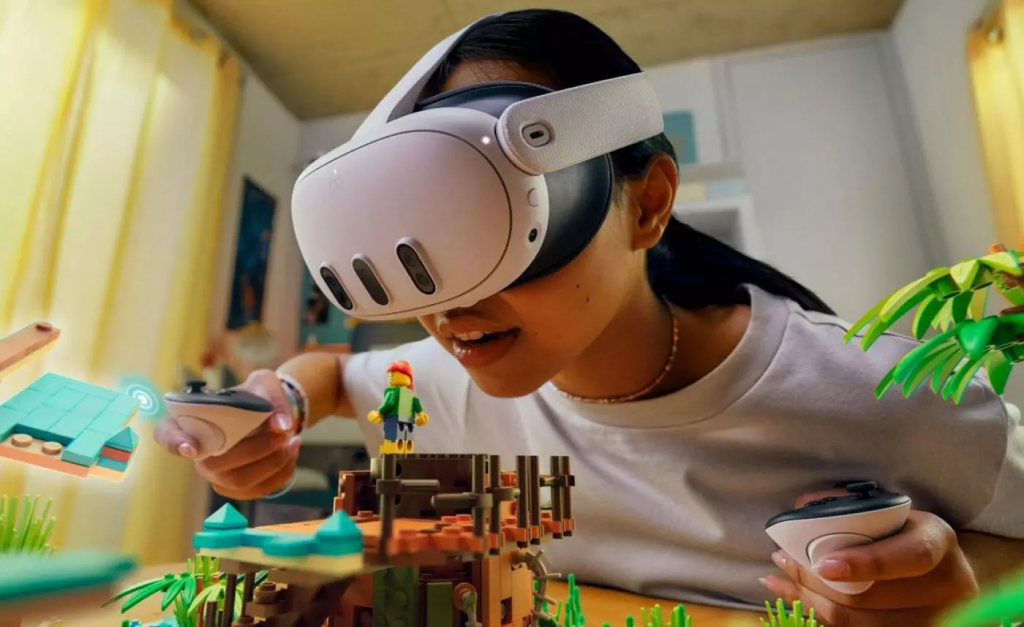
Additionally, platforms need to developers to venture into VR. By offering better support and resources, we can see a renaissance of creativity. This revival would bring a broader range of experiences to life.
Hopeful Future
As I remove my headset and think about VR gaming today, I feel hopeful. The industry is close to something big, but it must eliminate the barriers of exclusivity holding it back. We should support developers who promote inclusion and creativity. In doing so, we can create a future where virtual reality is varied. It will be as exciting as the gamers who enjoy it.
Let’s create a VR world that is open to everyone, allowing all to enjoy the magic of virtual reality without exclusivity.

 Aizen Arcade
Leave a comment